featured project

Medical Device Development (MDD) Course

Medical Device Development: Advancing from Product to Market (MDD) is a hybrid course offered by Harvard Catalyst. This professional development program prepares early- and mid-career professionals to navigate the medical device innovation and commercialization process. Following a pandemic-era shift to hybrid delivery, the course required significant redesign to better integrate asynchronous and in-person learning, improve learner engagement, and align instructional architecture with evolving program goals.

I led the end-to-end redesign of the learning experience, curriculum structure, and delivery strategy. By addressing the pain points surfaced through learner and stakeholder feedback, I was able to lead the team in transforming the course into a more cohesive, scalable, and strategically aligned learning experience.

Project Type

Learning Product Redesign

Skills

UX Research, Learning Architecture & Strategy, Product Design, Stakeholder Facilitation, Systems Thinking

Client/
Organization

Harvard University

Problem

The Challenge

Following a pandemic-era shift to virtual formats, the previous version of the course revealed both new opportunities and constraints:

  • Fragmented user experience between asynchronous and in-person content
  • Misalignment between learning outcomes and assessment methods
  • Need to support both Class I, II, and III device professionals
  • Low enrollment
  • Content-heavy structure with limited peer interaction online
  • New content areas needed to be integrated without increasing overload
  • Feedback from the prior cohort indicated opportunities to improve clarity and application

Research & Discovery

Conducted a full learning experience audit using:

  • Stakeholder interviews
  • Participant feedback analysis
  • Curriculum and assessment review
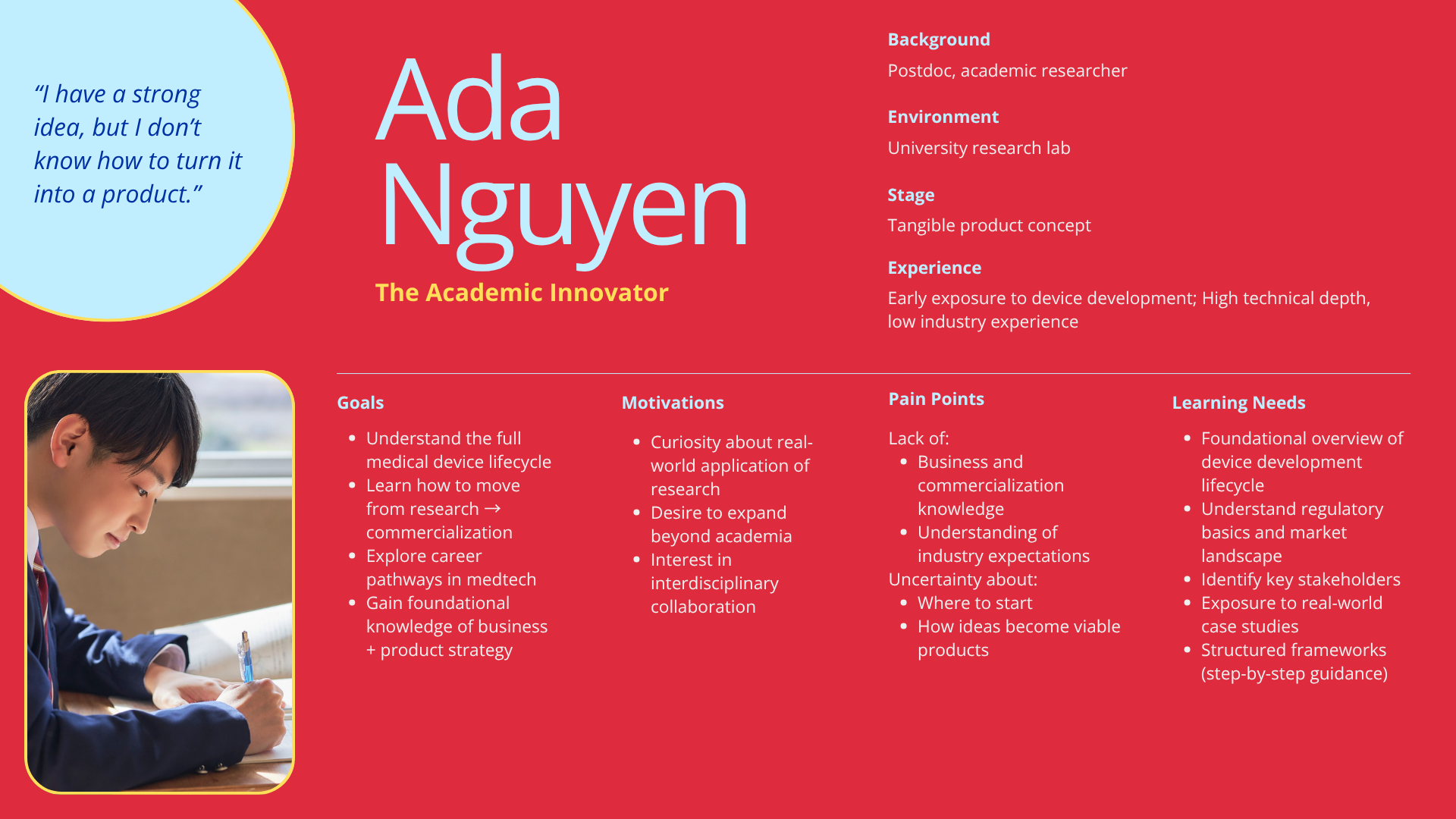
  • Journey mapping of learner and facilitator experiences

Key Insight

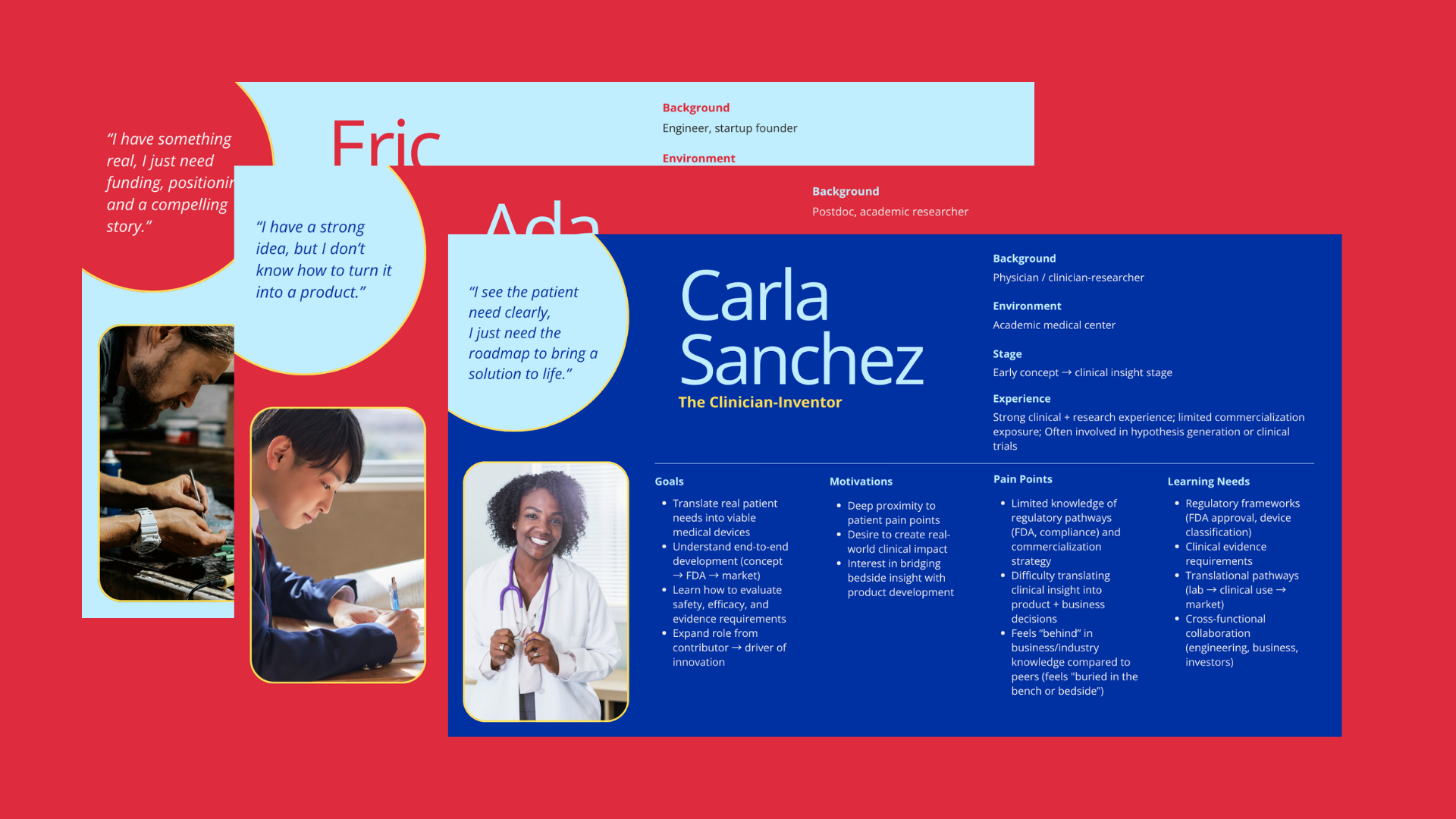
The course was attempting to serve too broad an audience with insufficient differentiation, creating friction in both content depth and instructional design.

Design Strategy

To improve coherence and learner experience, I restructured the course around these strategic priorities:
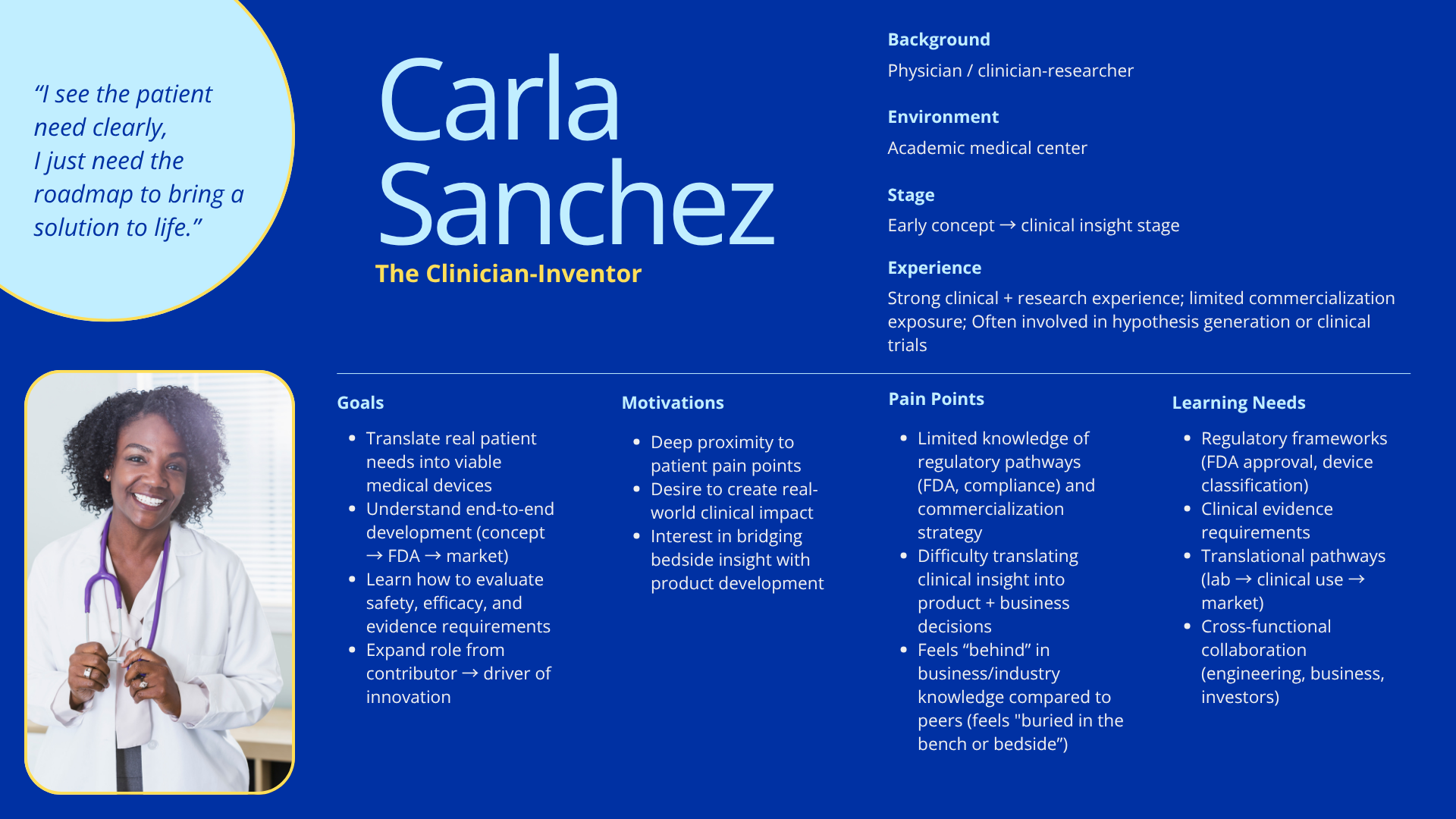
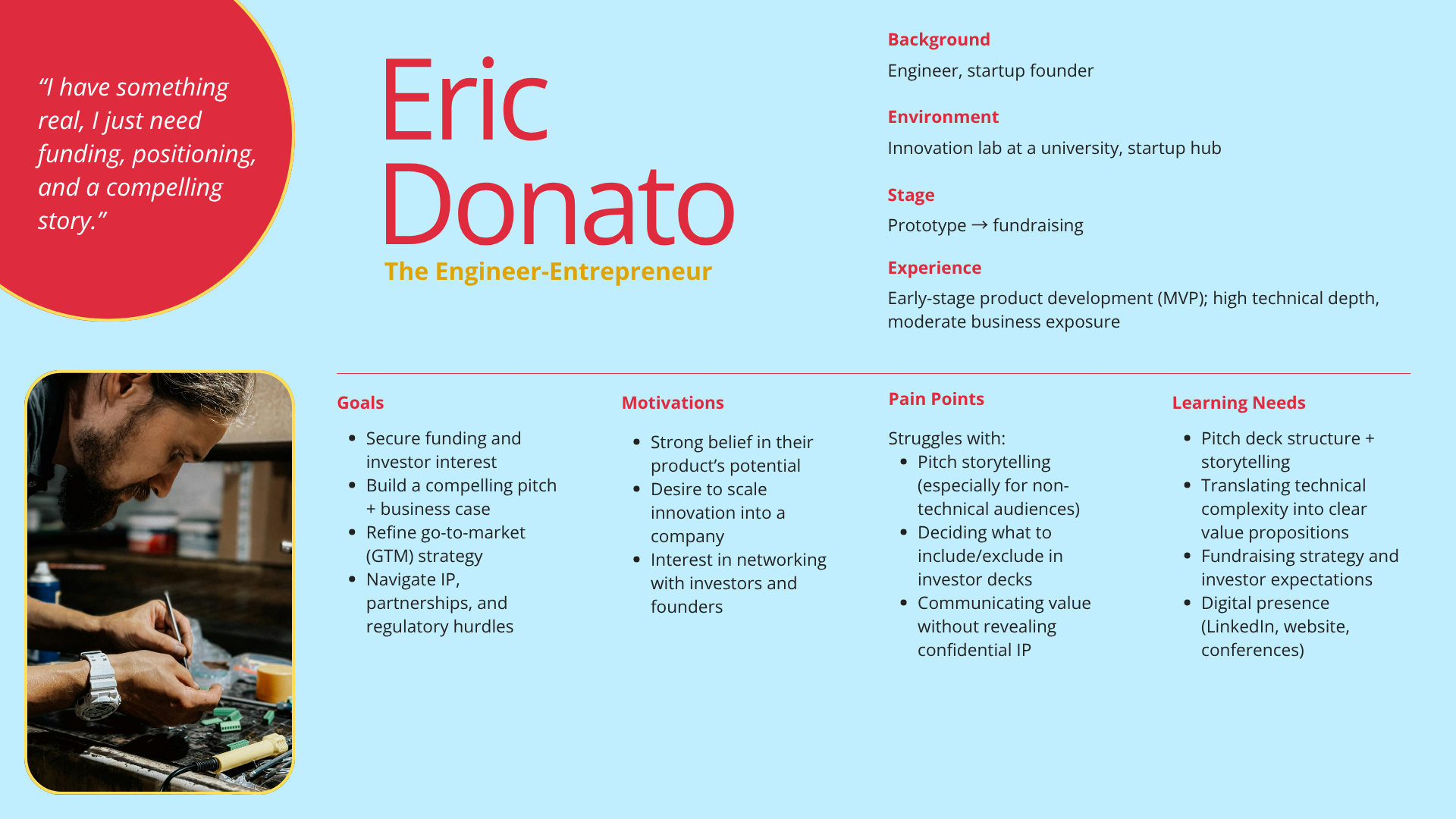
  • Align: Realigned objectives, activities, and assessments to support measurable skill development.
  • Expand: Identified whose perspective was missing from the content and targeted instructor outreach to meet those gaps.
  • Integrate: Bridged asynchronous and live components into a more cohesive hybrid journey.
  • Activate: Shifted from passive content consumption toward more applied, collaborative, and discussion-based learning.

Solution

Rebuilt Curriculum Architecture

  • Reorganized course flow to support progressive knowledge building
  • Integrated new regulatory and IP content strategically into the learner journey
  • Introduced AI as a strategic content design partner when developing web and marketing copy

Redesigned Learning Activities

  • Replaced passive content with application-based asynchronous work
  • Increased peer discussion and collaborative opportunities

Improved Assessment Strategy

  • Designed assessments more tightly aligned to desired performance outcomes

Clarified Audience Positioning

  • Refined program messaging and learner expectations to better attract the right participants

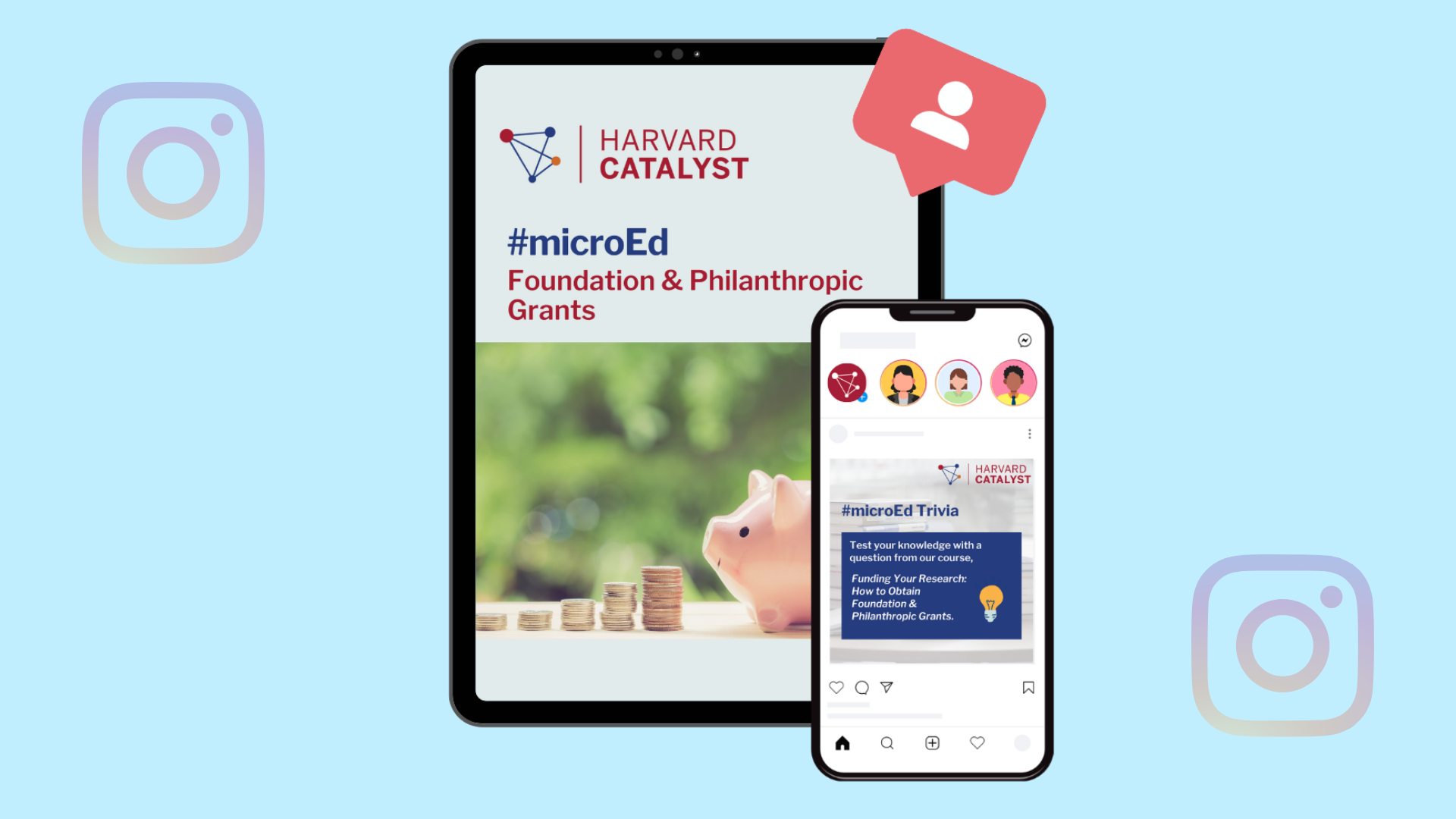
Research content turned into microlearningResearch content turned into microlearning

Outcomes

  • Increased pacing satisfaction to 100% “just right”
  • Facilitated partnership with MedTech Color, an organization dedicated to increasing representation in the medical technology ecosystem by providing an array of resources, initiatives, and mentorship opportunities
  • Collaborated with the Media Producer to externalize portions of the course content to expand reach through the Building Your Team Series on YouTube.

My work on this project illustrated how approaching courses from a product and user experience perspective, rather than solely an instructional design viewpoint, can enhance both usability and pedagogical effectiveness in complex professional education programs.
Explore More Projects

Case Studies

Interactive Mini Projects